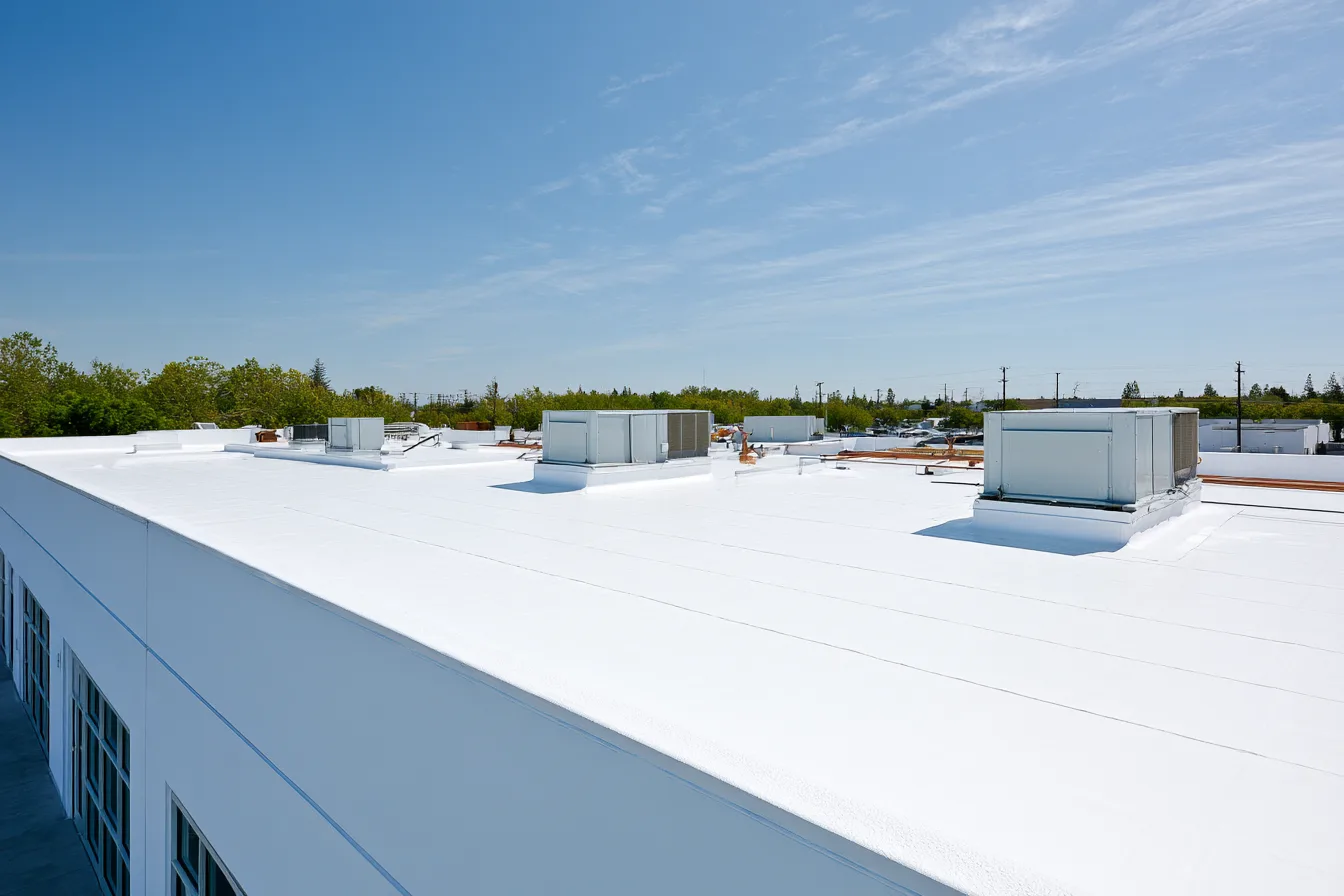
TPO roofing
Single-ply seams, curbs and replacement choices.

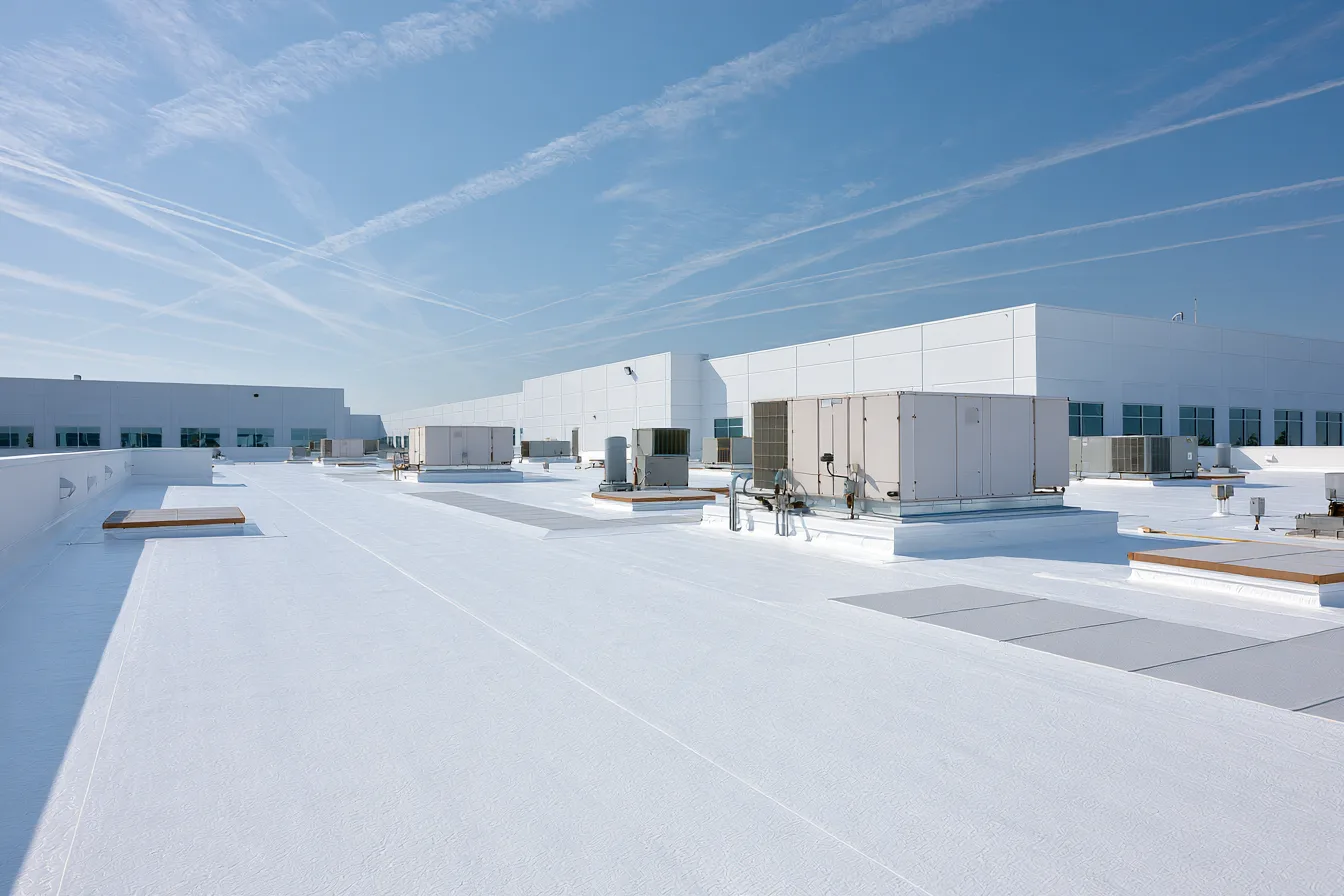
Free roof inspections and clear commercial roofing choices for your Kearney property.
Free roof inspections. Repairs, replacements and commercial roof help.
A commercial leak can interrupt tenant space, merchandise or equipment while its source remains hidden above the ceiling. We examine the roof covering and the interruptions in it: seams, drains, curbs, pipe penetrations and perimeter flashings.
Repair, restoration and replacement depend on the condition below the surface as well as the top layer. A sound dry system with a localized defect is a different project from wet insulation, widespread seam deterioration or drainage that leaves water standing. Tell us how the building is used and where the problem affects it.
The flat roof repair page develops leak tracing, wet layers and drainage correction.
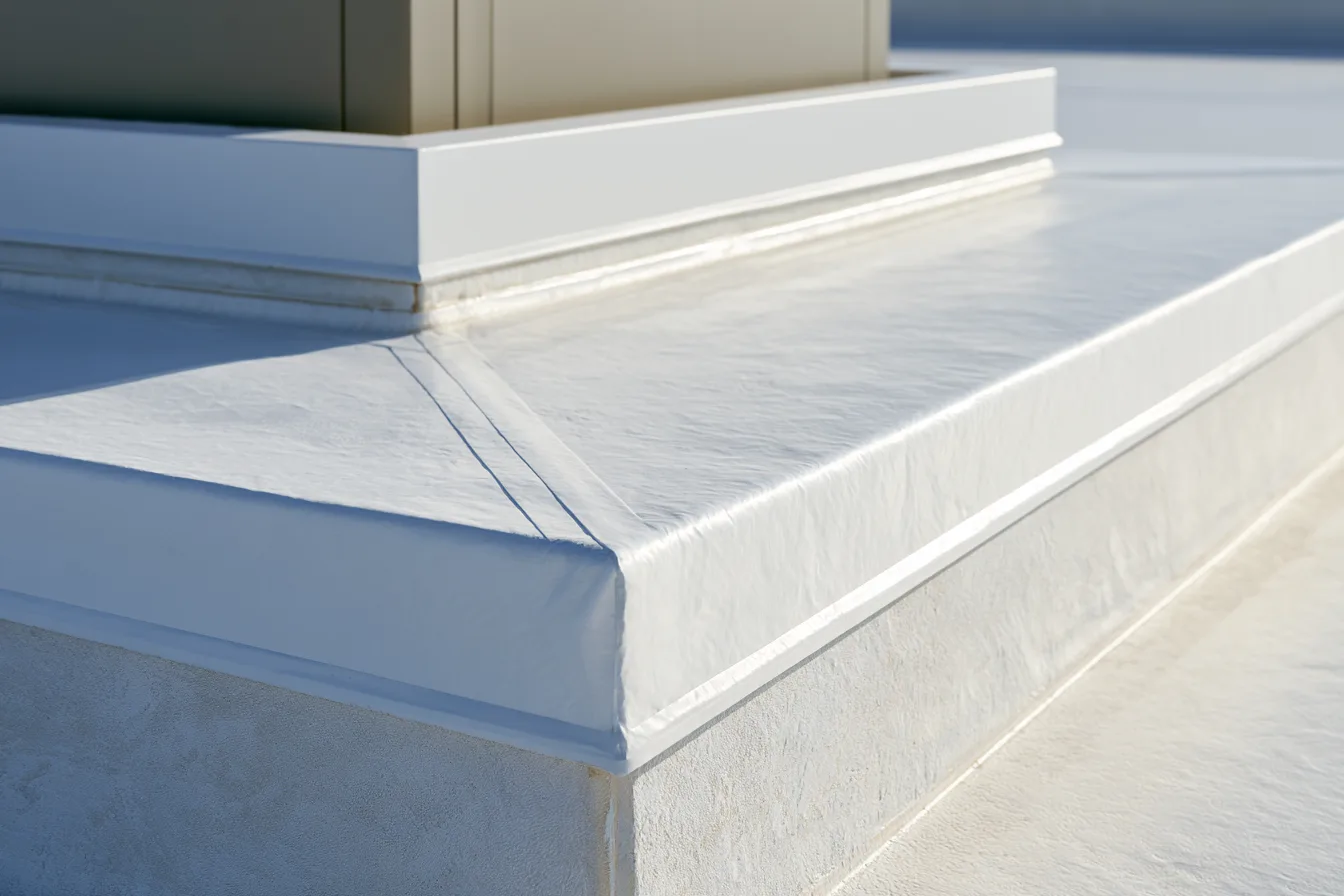
TPO and EPDM are single-ply membranes with different seam and repair methods. Modified bitumen uses asphalt-based sheets and reinforced layers. Metal systems use panels, fasteners and flashing transitions that need room for thermal movement. We identify the existing system before choosing compatible repair materials; a roof color or a photograph does not establish the membrane.
| System | Details that matter | Repair consideration |
|---|---|---|
| TPO | Heat-welded sheet seams, curbs and perimeter termination. | A compatible weld or patch needs a suitable clean membrane. |
| EPDM | Rubber sheet, lap seams, adhesives and flashing transitions. | Repair materials and preparation must suit the existing membrane. |
| Modified bitumen | Reinforced asphalt sheets, laps and roof penetrations. | Condition of the layers and existing surfacing directs the repair. |
| Metal | Panels, fasteners, laps and movement at transitions. | Loose fasteners and failed flashing need distinct corrections. |
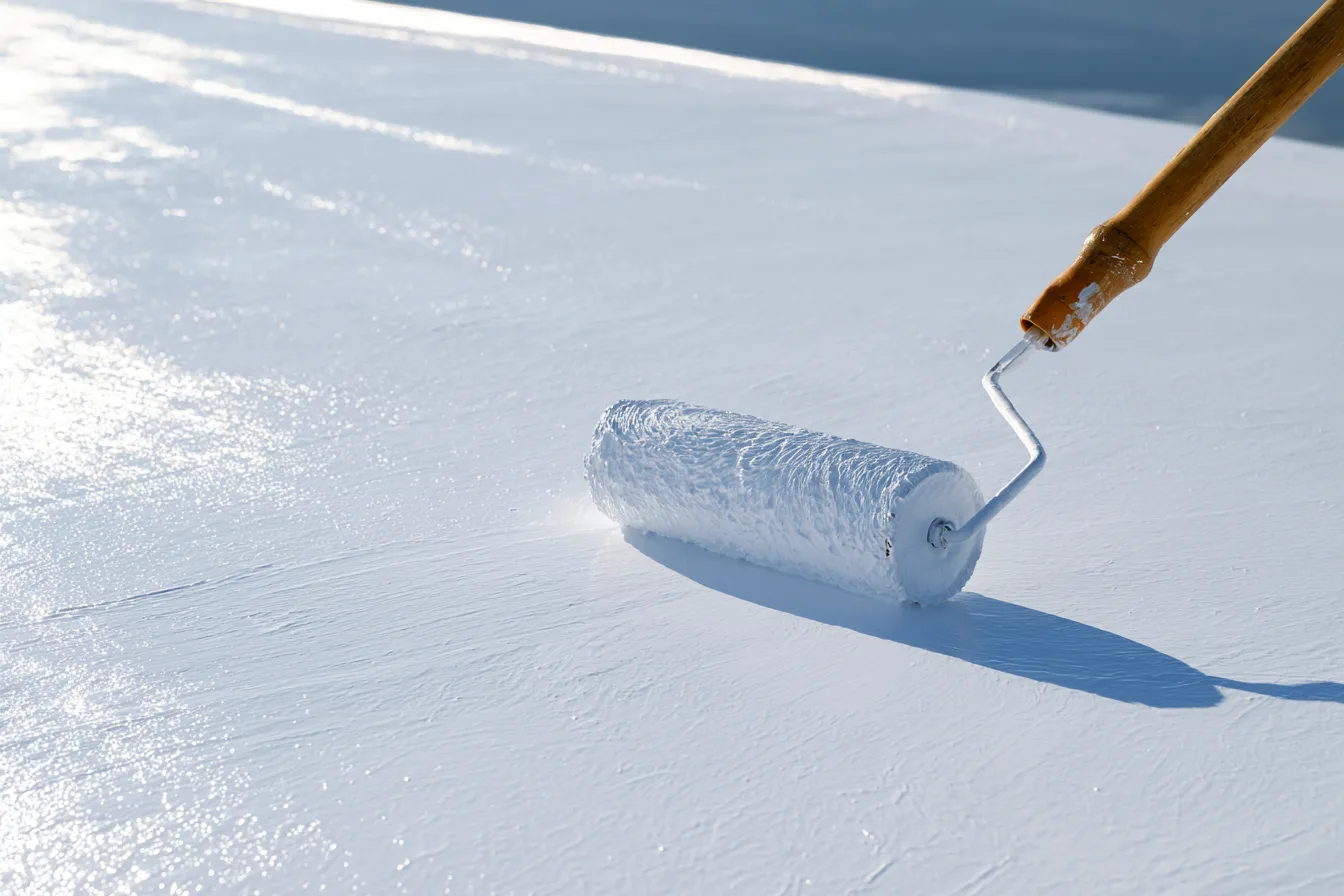
A repair addresses a defined defect while the adjacent assembly remains serviceable. A restoration coating needs a suitable, properly prepared substrate and sound underlying layers. Coating over wet insulation leaves the moisture problem in place. Replacement opens the system for correction of deteriorated layers and, when needed, tapered insulation or drain details that address water movement.
Drains, scuppers and gutters have to carry water off the roof, and equipment curbs interrupt the surface around them. We look at low areas, blocked outlets, seam transitions and the flashing at mechanical units. Roof work and equipment service need coordination so a completed repair is not disturbed by the next trade.
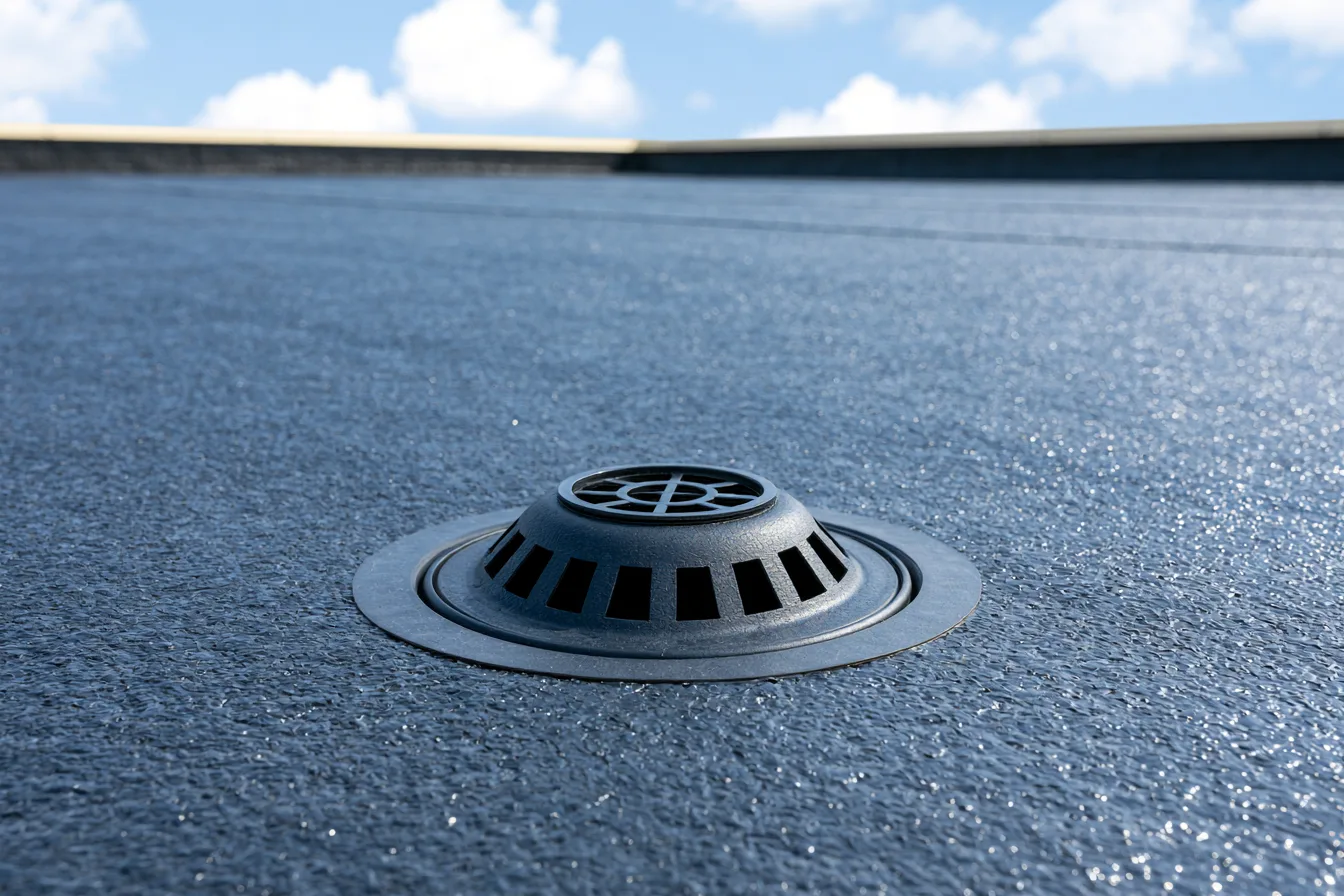
Roof area, system type, insulation condition, attachment, access and disposal drive the scope. Tenant entrances, loading areas and equipment use affect staging and sequencing. A residential shingle rate does not price this work. Start with a roof walk so repair limits and replacement needs can be explained against the building itself.
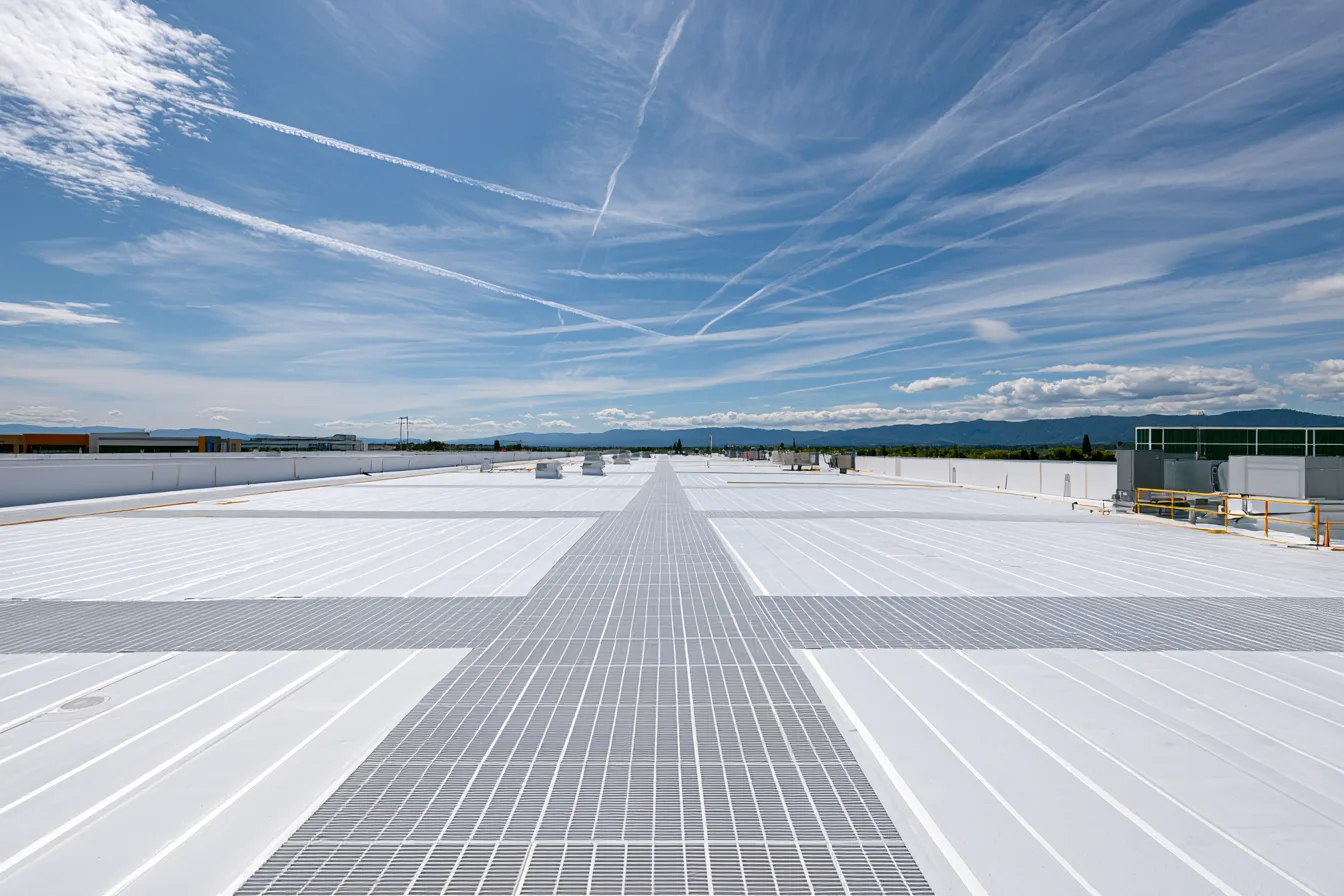
Single-ply seams, curbs and replacement choices.
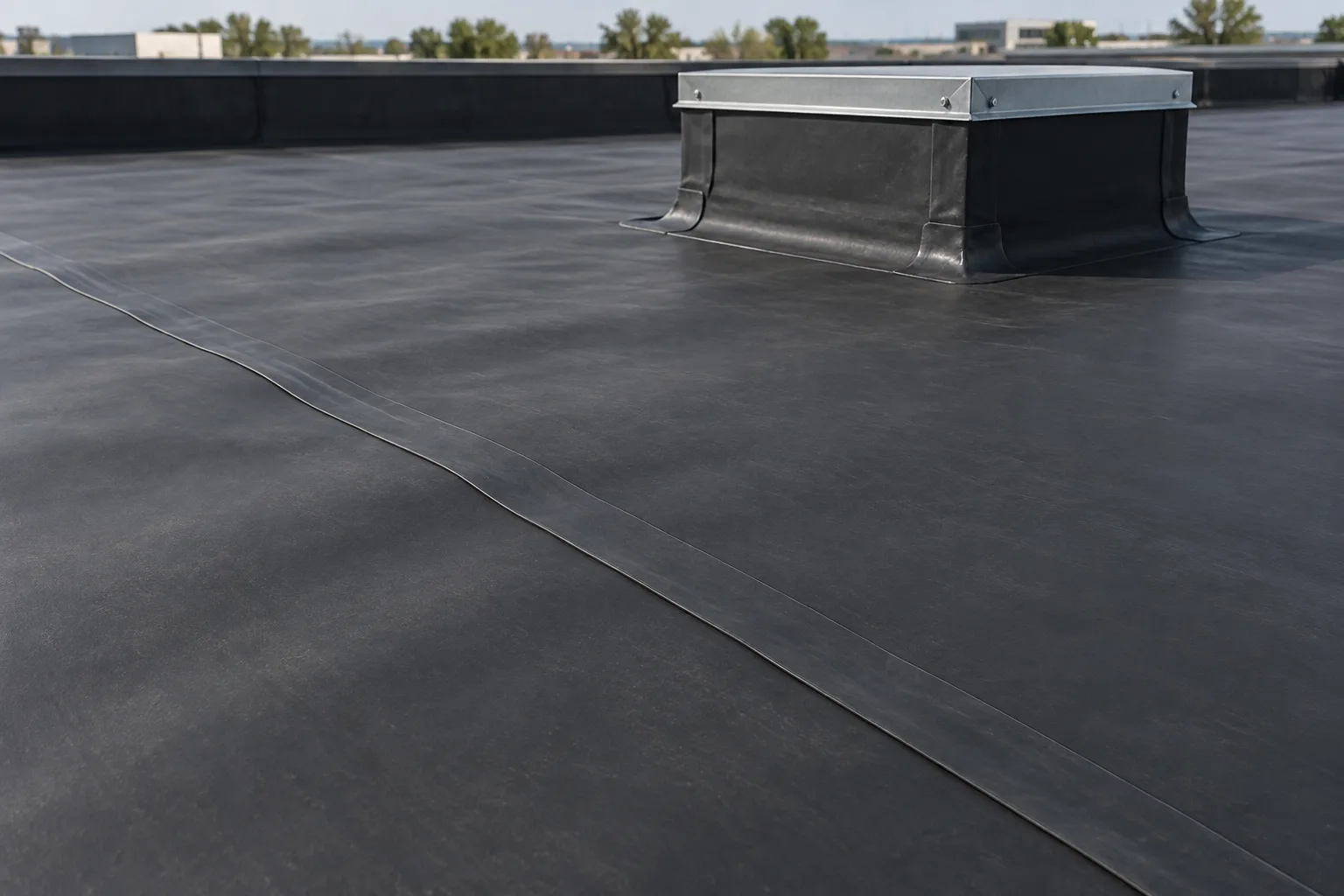
Rubber membrane and compatible repair details.
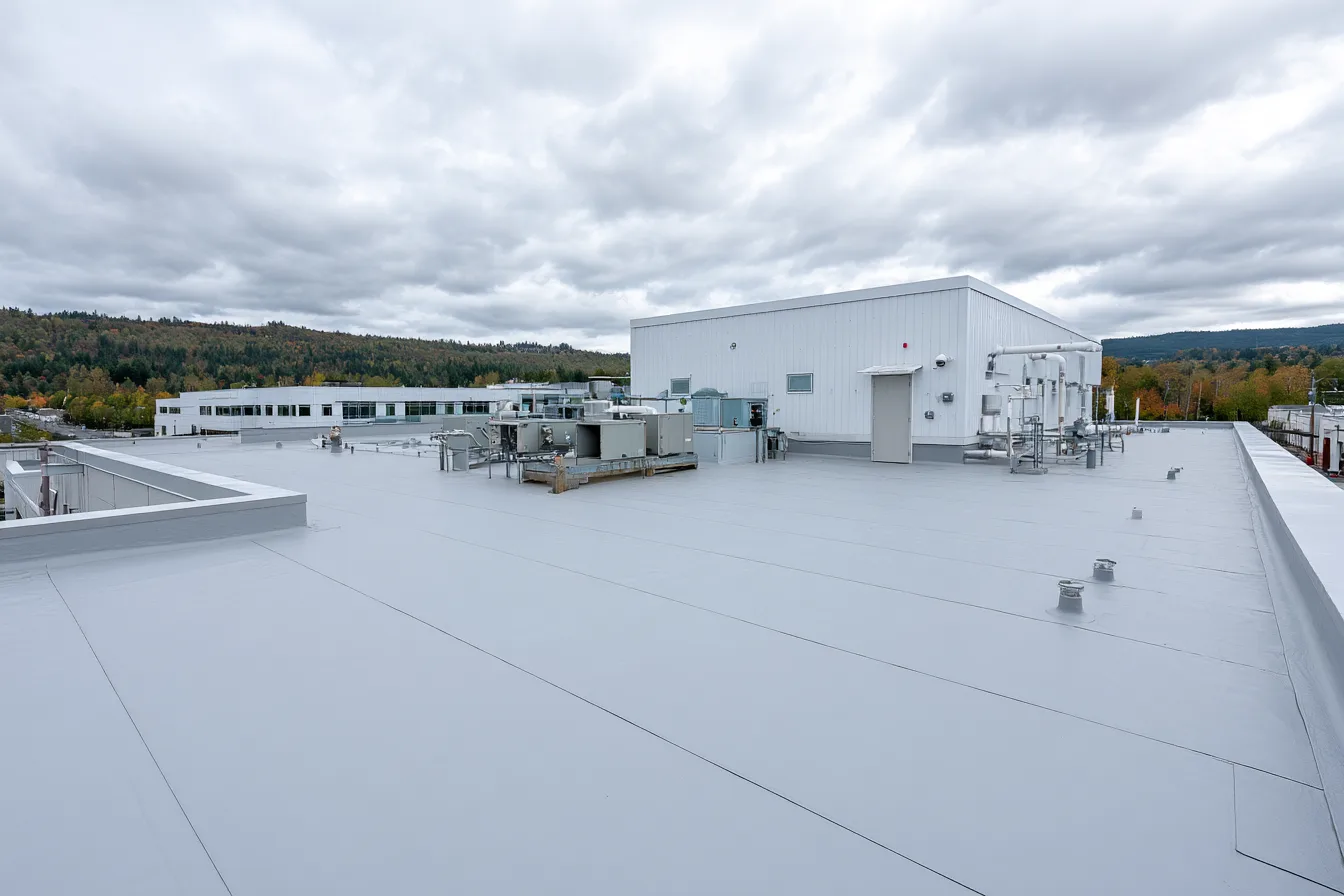
Leak entry, wet layers and drainage scope.
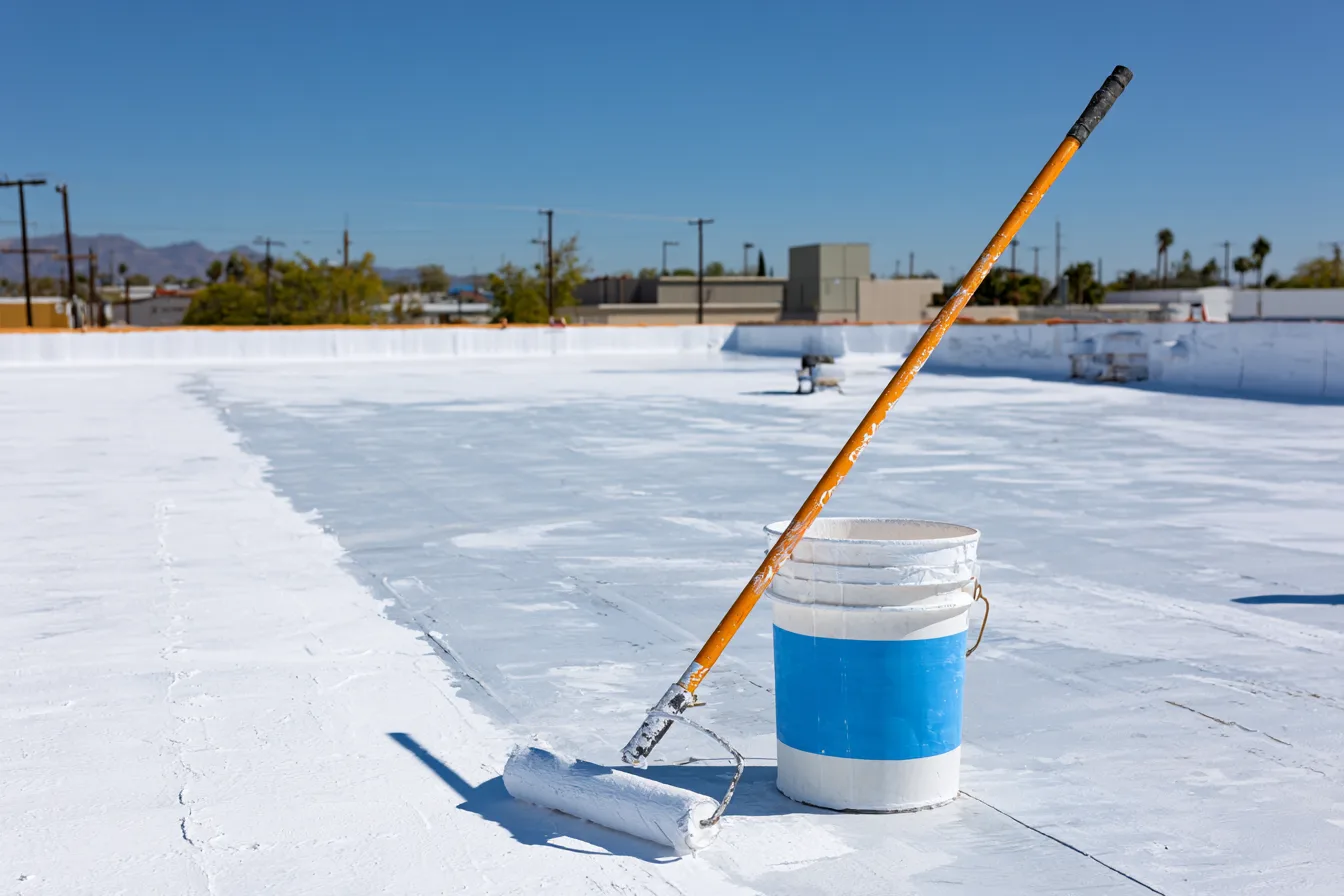
Preparation, dry layers and restoration limits.
It helps distinguish a defined surface defect from deterioration in the membrane, insulation or drainage system. Roof access and building use also affect the work.
Tell us the property address, the roof concern and roughly when you noticed it. If water is coming inside, say so. You do not need to climb onto the roof or identify the failed component.
Tell us where the property is and what you noticed. A free roof walk is a useful place to start.
Kearney Roofing Co